JW Water in Eloy, AZ a Robson Community
REPRINTED FROM ARIZONA CAPITOL TIMES REAGAN PRIEST| November 17th, 2024
EDITOR’S NOTE: Tuesday, December 2nd at 2PM at the Desert View Theater Arizona’s Residential Utility Consumer Office (RUCO) and JW Water leadership will be presenting and answering questions about the new ownership and requests for rate increases. Already, the Eloy Robson Ranch Development residents are not happy. (Karen Taylor Robson, candidate for Governor is married to the founder of Robson Development. )
Eloy retirement community fights back against proposed 188% utility rate hike
Key Points:
-
Retirees near Eloy are facing drastic water and sewer rate increases after their utilities were sold to a larger company
-
JW Water says the rate hikes are needed because the previous owner of Picacho Water and Sewer Companies did not increase utility prices in over twenty years
-
Customers say they were not given adequate notice of the rate increase and will struggle to pay the proposed rates
A retirement community in rural Arizona is fighting drastic water and sewer rate increases at the Arizona Corporation Commission after its utility providers were sold to a larger company.
JW Water, the new owner of Picacho Water Company and Picacho Sewer Company, is requesting a 125% increase in water rates and a 188% increase in sewer rates for residents of Robson Ranch, a retirement community near Eloy.
Attorneys for the company say the increases are necessary because the two companies’ rates have not been adjusted since the late nineties, a position commission staff supports. But Robson Ranch residents, most of whom are retired and over the age of 55, say they will struggle to pay higher rates.
The two rate cases, filed with the commission earlier this year, have sparked outcry from the community, frustration with the commission and scrutiny of Arizona businessman Ed Robson.
Jay Shapiro, the attorney representing JW Water before the commission, said during opening statements on the rate cases on Nov. 17 that the increases reflect the fair value of serving Robson Ranch customers now and are not an attempt to recover costs from previously low utility rates.
“The current rates were set before Y2K, before TSA, before mega-star Taylor Swift and before Teslas. The rates are eight to 10 years older than iPhones,” Shapiro said. “For over 25 years, the rates have remained unchanged. Customers have benefited from rates below the actual cost to provide water and sewer utility services.”
In late 2024, Robson Resort Communities, the owner and operator of Robson Ranch, sold Picacho Water Company and Picacho Sewer Company to JW Water, a Phoenix-based company that owns several smaller utilities throughout the state. Robson Resort Communities is owned and named after Ed Robson, the prominent real estate developer and husband of Republican gubernatorial candidate Karrin Taylor Robson.
On March 19, 2025, JW Water filed two rate cases for Picacho Water and Sewer that proposed increasing water rates from around $25 per month to around $57 per month, while increasing sewer rates from $42 per month to around $120 per month. Utility companies in Arizona are guaranteed a rate of return on their rate bases, and JW Water says its current rate of return is -2.15%.
Robson Ranch residents say they were unaware of the sale of the utility companies and weren’t notified until January, when JW Water sent a letter to residents about the sale and foreshadowed the need for “rate adjustments” to invest in new water and wastewater infrastructure in the community.
Residents also raised concerns about JW Water’s backing from a foreign conglomerate called CVC DIF. The private equity firm, based in the Netherlands, acquired JW Water and all its holdings in November. Residents say they believe the rate increases were proposed to increase profits for JW Water and CVC DIF, not to pay for the cost of serving utility customers.
During a public comment hearing on Nov. 17, several residents expressed frustration and concern with JW Water, Robson and the Commission over the rate increases, in addition to numerous public comments filed directly to the Commission.
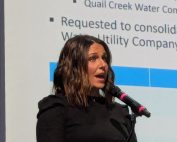
“The residents of Robson Ranch were unaware, most of us, that we were being subsidized,” said resident Deborah Dorman during the public comment period. “We were unaware that our rates were lower than perhaps they should have been initially. And while I understand there have to be some increases, I do not think it is appropriate to increase them so quickly and so high.”
Some argued Robson’s company should continue to front some of the rate shock customers might experience or pay for new water and wastewater infrastructure.
“Is JW so intent on increasing its capital rate base that it would foreclose the opportunity to receive developer monies that would have the effect of lowering user rates?” said resident Jerry Lewis. “JW’s position on the issue penalizes the ratepayers and unjustly enriches JW and provides a windfall to the developer. I’m a hardcore capitalist, but in my opinion, this case reeks of corporate greed and the manipulation of the regulatory process.”
In June, Eloy Mayor Andrew Sutton, himself a resident of Robson Ranch, sent a letter to commissioners urging them to reject or substantially reduce the rate increases because of the burden they would impose on the community.
“This dramatic rate hike would pose a severe financial burden on residents, many of whom are already facing increased living costs on limited incomes,” Sutton wrote. “It is particularly troubling that such a drastic increase is being proposed with little regard for the unique demographic and economic realities of the community.”
Doug Clark, the commission’s executive director, acknowledged in a statement to the Arizona Capitol Times that utility companies have a right to seek rate modifications, but said all concerns from residents will be taken into account.
“We recognize the frustration many customers feel about recent rate increases, especially since water and sewer rates remained unchanged for more than 20 years,” Clark said. “Unfortunately, because the utility did not seek adjustments during that time, the system now requires significant investment to avoid failure, and to position the company to continue to provide safe and reliable service.”
Clark also noted that the commission cannot require utility companies to file rate cases regularly and that it routinely deals with similar situations involving other utilities that do not periodically file rate cases.
The two rate cases are currently undergoing hearings before the commission. Once hearings are concluded, an administrative law judge will draft a proposed order on the rates, which will be approved or denied by the commissioners at a future open meeting.